


 30-Day Returns Guaranteed
 Reliable Shipping






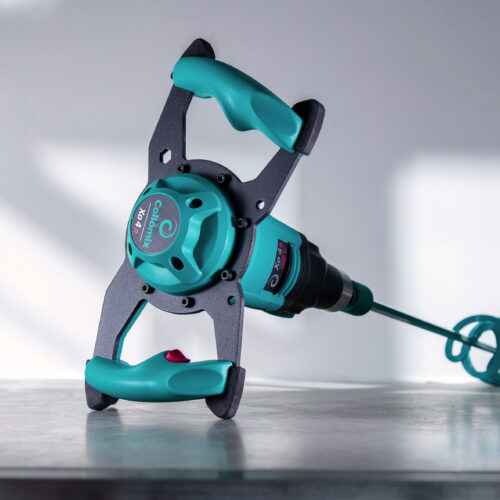












It comes down to what you're mixing and how much of it. Thin, flowable materials like self-levelers and grout do well with a handheld paddle mixer. Thicker, stiffer mixes like polymer mortars and repair concrete call for a forced-action drum or cone system with an auger. For smaller batches or frequent material changes, an auger mixer or handheld paddle keeps things simple. Check the individual product specs to match paddle style to your mix.
A double paddle mixer uses counter-rotating paddles for a faster wet-out, better control in heavy mixes, and less strain during long pours. A single paddle mixer is lighter and easier to maneuver, a solid fit for standard mortars and grout.
Yes, with the right paddle and a low RPM to keep air out of the mix. Forced-action drums and cone systems are especially well suited to resin-bonded sands, since they shear the material evenly.
Rinse the paddle or drum right after use and never let material cure inside it. Check paddles and augers regularly for wear or bent blades, and replace them if the mix starts coming out uneven.
If you're mixing often or working with specialty materials, buying makes sense. For an occasional or one-off pour, renting is the more practical route. Reach out if you'd like to rent a mixer for your project.
Add powder gradually into water and keep the RPM low to limit dust. Enclosed or cone systems help with higher-capacity, lower-splash batching, and working in a ventilated area with a wet-mix technique also goes a long way.
